
Autor: Sadao Sato
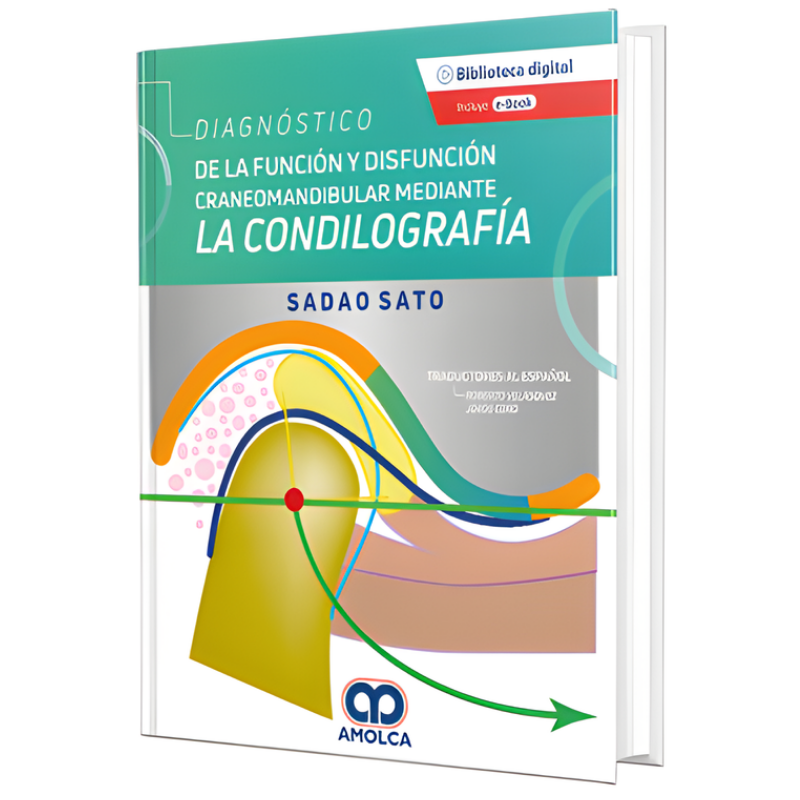
Diferentes cambios sociales y de alimentación han ido modificando paulatinamente el trabajo de los odontólogos, que se centran sobre todo en el tratamiento de la caries dental y la enfermedad periodontal. Esta modificación del trabajo ha permeado sobre todo el trabajo de los ortodoncistas, que han visto que son cada vez más importantes los tratamientos de alineación de los dientes en conjunto con tratamientos de oclusión. Por ello, el doctor Sadao Sato, profesor de la Kanagawa Dental University de Japón, consciente de la necesidad cada vez mayor de atender la oclusion tempromandibular, ha escrito esta obra para revisar todo lo concerniente al diagnóstico y tratamiento de la maloclusión a través del uso de la condilografía.
Shipping From: Spain
En veinte capítulos, y con la ayuda gráfica de más de 500 imágenes, el doctor Sato explica la estructura y función del sistema craneomandibular, la posición mandibular, los factores de la maloclusión, los factores de riesgo de la maloclusión humana, la condilografía como herramienta de análisis funcional, el procedimiento para realizar una condilografía, las herramientas de análisis, cuáles son los trastornos y los síntomas temporomandibulares, la importancia del desplazamiento lateral del cóndilo mandibular, además de una serie de casos en donde se evalúa y se tratan los trastornos de la articulación temporomandibular. Los odontólogos en general y los ortodoncistas en particular encontrarán en esta obra una guía completa que ayude a evaluar los trastornos temporomandibulares y que, al mismo tiempo, permita definir un tratamiento óptimo para los pacientes.
Sección I - Teoría
1. Historia de la investigación sobre la oclusión y el movimiento mandibular
2. Estructura y función del sistema craneomandibular
3. Concepto de posición mandibular — Posición mandibular requerida clínicamente
4. Factores de maloclusión y la articulación temporomandibular
5. Maloclusión y trastornos de la articulación temporomandibular (ATM)
6. Maloclusión y trastornos de la articulación temporomandibular
Sección II - Práctica
7. La condilografía como análisis funcional de la articulación temporomandibular
8. Registro del movimiento del cóndilo mandibular mediante la condilografía
9. Eje de bisagra y estandarización del registro del movimiento del cóndilo mandibular
Sección III - Diagnóstico
10. Evaluación básica del trazado condilográfico
11. Análisis de los patrones de movimiento: herramientas de análisis Capítulo
12. Análisis de los patrones de movimiento funcional de la mandíbula Capítulo
13. Laxitud articular
14. Progresión de los trastornos de la articulación temporomandibular y de los síntomas articulares
15. Importancia del desplazamiento lateral del cóndilo mandibular
16. Importancia diagnóstica del movimiento del cóndilo mandibular del lado de trabajo en los movimientos asimétricos
Sección IV - Estudios de casos
17. Caso 1
18. Caso 2
19. Caso 3
20. Caso 4
Apéndice. Explicación de los términos relacionados con la condilografía.

Data sheet
Specific References
Autor: Sadao Sato
Diferentes cambios sociales y de alimentación han ido modificando paulatinamente el trabajo de los odontólogos, que se centran sobre todo en el tratamiento de la caries dental y la enfermedad periodontal. Esta modificación del trabajo ha permeado sobre todo el trabajo de los ortodoncistas, que han visto que son cada vez más importantes los tratamientos de alineación de los dientes en conjunto con tratamientos de oclusión. Por ello, el doctor Sadao Sato, profesor de la Kanagawa Dental University de Japón, consciente de la necesidad cada vez mayor de atender la oclusion tempromandibular, ha escrito esta obra para revisar todo lo concerniente al diagnóstico y tratamiento de la maloclusión a través del uso de la condilografía.