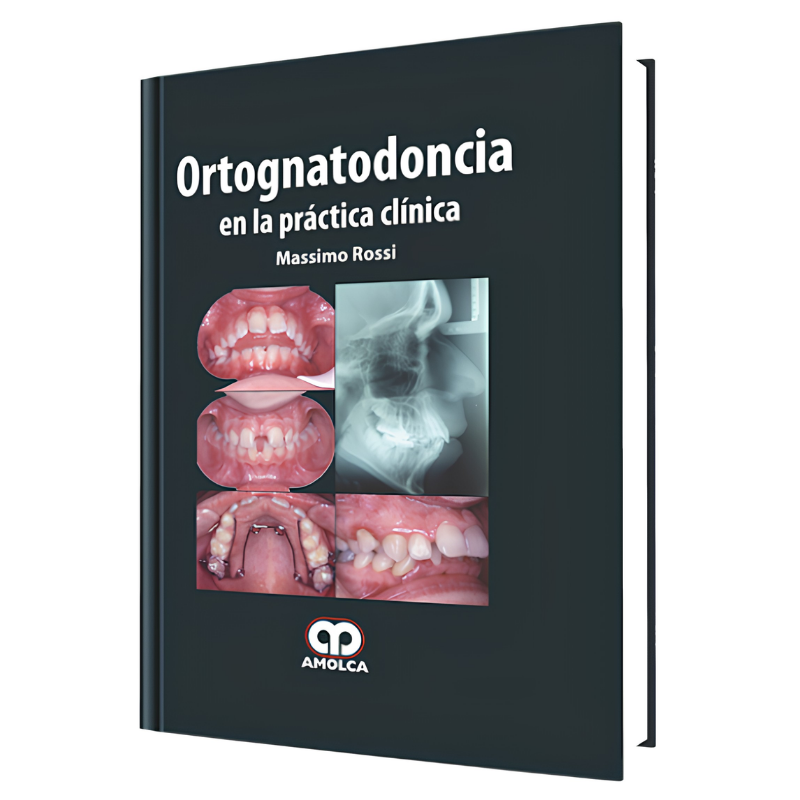

Autor: Massimo Rossi
Panta rei (todo fluye) es el principio filosófico en el que se basa no sólo la vida sino todo progreso en el ámbito del conocimiento humano. Ortognatodoncia, disciplina exquisitamente médica, no es la excepción a este categórico imperativo. En la actualidad, el concepto semántico, basado en el axioma angleano de tomar en cuenta a la pieza dentaria como punto de partida y de llegada de todo problema diagnóstico, terapéutico y pronóstico, ha sufrido un viraje específico hacia el concepto positivista del aparato estomatognático.
Shipping From: Spain
Capítulo I
Aspectos generales. - Embriología. - Crecimiento craneofacial. - Osificación. - Crecimiento estomatognático. - Previsión del crecimiento. - Diagnóstico y plan de tratamiento. - Estudio de los familiares y del paciente. Modelos en yeso, ortopantomografía y telerradiografía. - Importancia del estudio radiológico. Importancia de la observación clínica combinada con la radiológica. - Datos obtenibles del estudio radiológico y de los modelos. Cambios que se producen desde la oclusión decidua a la permanente. Relación entre deciduos y las piezas correspondientes aún no erupcionadas. Relación entre dientes y arcada. - Clasificación de las maloclusiones. - Análisis cefalométrico. - Telerradiografía. ¿Qué datos tomar de un trazado?. Radiografía posteroanterior. - Ortognatodoncia y estética. Evaluación clínica. Evaluación mixta (clínica-radiográfica-fotográfica). Discusión. Conclusiones. - Biomecánica. Desplazamiento de los dientes. - Movimientos dentarios. Tipping-uprighting. Torque. Interacción alambre-ataches según Burstone. - Anclaje. - Alambres. Características metalúrgicas. - ¿Por qué la ortognatodoncia?. ¿Cuándo iniciar un tratamiento?. - La prevención en ortognatodoncia. - Ortodoncia interceptiva (resumen esquemático). - Ejercicios miofuncionales. - Terapia fija y terapia móvil. - ¿Qué tipo de terapia «móvil»?. - ¿Qué tipo de terapia «fija»?. 10 La ortognatodoncia en la práctica clínica. - Técnicas ortodónticas fijas. Edgewise clásico. Tweed. Alexander. Straight wire (Andrews). Begg. Bioprogresiva. Arco segmentado. Características comunes de los ataches. Self ligating – low friction. - Técnicas estéticas. Ataches estéticos. - Plantillas de alineación dentaria transparentes. - Elásticos.
Capítulo II
Las Clase I. - Introducción. - La expansión en ortognatodoncia. Maxilar superior. - ¿Qué tipo de expansión?. Expansión rápida. Expansión lenta. Expansión ultralenta. ¿Hasta qué edad es posible expandir el maxilar superior?. - Maxilar inferior. Expansión sobre el plano transversal. La expansión para ganar espacio. Los límites de la dentadura. ¿Dónde está la verdad?. - Casos clínicos. - Más allá de los límites en forma natural: las biprotrusiones. - ¿Extraer o no extraer?. - Recuperación del espacio distal. - Aparatología no-compliance para la distalización de los molares superiores. - Casos clínicos. Lip bumper. Barra palatina. Conclusiones. - Resumen: tratamiento con extracción o no. - Los tratamientos ortognatodónticos no conservadores, ¿qué dientes se deben extraer?. Los terceros molares. Los primeros molares. Los segundos molares. Conclusiones. - Casos clínicos. Las extracciones aplanan el perfil, ¿verdadero o falso?. Stripping. - Dos casos finales con características opuestas. Tratamientos sectoriales.
Capítulo III
Las Clase II. - Clase II. - Tratamiento. Aparatos funcionales. Activador de Andresen. El regulador de función de Fränkel. Placa funcional de Cervera (PCF). Bimler. Bionator. Kinetor. Aparatos de Sander. Twin Block. RV1 y RV2. El aparato de Herbst. - Las tracciones extraorales. Efectos biomecánicos de las tracciones extraorales. Utilización ortodóntica. Aplicación ortopédica (fuerzas indicativamente superiores a los 300 g). Tracciones extraorales combinadas con activadores. Centros de resistencia. ¿Las tracciones extraorales pueden causar incidentes?. - Los aparatos ortodónticos fijos en el tratamiento conservador de las Clase II. Y entonces, ¿tratamiento de las Clase II en una o dos fases?. Conclusiones. Consideraciones sobre las Clase II en pacientes que finalizan el crecimiento. Los diferentes abordajes de las Clase II. El tratamiento de los adultos. Los límites del avance mandibular. - Tratamiento de las Clase II con cuatro extracciones. Dos casos de Clase II con problemas en la articulación temporomandibular. Ortodoncia y gnatología. - Tratamiento de las Clase II con dos extracciones. Esquema clásico y variantes poco usuales. Problemas de la articulación temporomandibular (ATM). - Casos clínicos. Conclusiones.
Capítulo IV
Las Clase III. - Descripción y etiopatogénesis. Maxilar superior. Maxilar inferior. Tratamiento. Aparatos funcionales. Mentonera. Tracción posteroanterior. - Casos clínicos. Al finalizar el crecimiento. Valores cefalométricos indicativos de una Clase III quirúrgica (según Ricketts). Tratamiento ortognatodóntico fijo. Discusión y conclusiones.
Capítulo V
Aspectos comunes para las tres clases. - Extracciones seriadas. - Anomalías de número de dientes con especial referencia a las agenesias. - Problemas (y errores) en ortognatodoncia con especial referencia a las rizólisis. - La dimensión vertical en ortognatodoncia. - Dimensión vertical aumentada. Las mordidas abiertas. Signos clínicos y radiológicos. Etiopatogénesis. - Problemas funcionales. Problemas respiratorios. El tratamiento. Tratamiento de la hiperdivergencia esquelética. Tratamiento de las disfunciones. - Casos clínicos. - Dimensión vertical disminuida. Las mordidas profundas. Indicaciones para el tratamiento y posibilidades técnicas. - Casos clínicos. - La contención. Contención removible. Contención fija. Discusión. - Los diastemas. - Casos clínicos. - Inclusiones (con especial referencia a los caninos superiores). Caninos superiores. Inclusiones palatinas: caso clínico. Inclusiones vestibulares: caso clínico. - Fracasos: casos clínicos. Importancia de la observación clínica: caso clínico. Inclusiones iatrogénicas: caso clínico. Posibles daños relacionados con la inclusión. ¿Cuáles son los límites de la desinclusión?. Otras inclusiones: caso clínico. Las transposiciones: casos clínicos.
Capítulo VI
Las relaciones con otras disciplinas. - Ortognatodoncia y periodoncia. Protocolos operativos preortodónticos. La intrusión de piezas dentarias con escaso soporte periodontal. La extrusión, una ayuda válida en la terapia periodontal y protésica. Retracciones gingivales. Necesidad de consolidar los resultados. ¿Cuáles son los límites?. Conclusiones. - La ortognatodoncia y la prótesis. Técnicas ortodónticas. - Ortognatodoncia preprotésica y ortognatodoncia antiprotésica. Incisivos. Caninos. Premolares y molares. El uprighting de los molares. - Casos clínicos. - Ortodoncia – implantología. Ortodoncia preimplantar. Ortodoncia postimplantar. - Casos clínicos. - Miniimplantes. Procedimiento quirúrgico de la inserción y remoción de los miniimplantes. - Ortognatodoncia y articulación temporomandibular: relación entre ortodoncia y gnatología. Articulación temporomandibular (ATM): aspectos anatómicos, funcionales y patológicos. Terapia. - ¿Cuáles son las relaciones entre articulación temporomandibular y ortognatodoncia?. - ¿La ortognatodoncia es una de las causas principales de ID o por el contrario es un insustituible. instrumento terapéutico en capacidad de eliminar un ID?. Observaciones personales. Evaluación transversal. Evaluación vertical. - Casos clínicos. Criterios para la evaluación de las modalidades diagnósticas. El papel de los aparatos electrónicos en el diagnóstico de los problemas temporomandibulares. - El papel del análisis oclusal en el diagnóstico de los problemas temporomandibulares. Conclusiones. Síntesis. Casos complejos.
Capítulo VII
Introducción a la cirugía ortognática. 1ª parte: La cirugía ortognatodóntica de las malformaciones maxilares. - Evaluación de las características de malformación. - Planificación y realización de la intervención. - Osteotomía según Le Fort (I). - Osteotomía sagital según Epker. - Genioplastia. - Caso clínico. 2ª parte: En la actualidad, ¿cuál debe ser la colaboración entre ortodoncista, implantoprotesista y cirujano maxilofacial en la práctica clínica? - Cuatro casos clínicos.
Capítulo VIII
Nociones de odontología forense en el ámbito ortodóntico. - Documentación clínica. - Póliza de seguro. - Consentimiento informado.
Capítulo IX
Nociones de fotografía clínica para el ortodoncista. - Introducción. - La máquina compacta. - La máquina réflex. - Diafragma. - Longitud focal y ángulo de campo. - Enfoque. - Profundidad de campo. - Tarjetas de memoria y resoluciones. - Accesorios útiles. - Parte práctica. Bibliografía.

Data sheet
Specific References
Autor: Massimo Rossi
Panta rei (todo fluye) es el principio filosófico en el que se basa no sólo la vida sino todo progreso en el ámbito del conocimiento humano. Ortognatodoncia, disciplina exquisitamente médica, no es la excepción a este categórico imperativo. En la actualidad, el concepto semántico, basado en el axioma angleano de tomar en cuenta a la pieza dentaria como punto de partida y de llegada de todo problema diagnóstico, terapéutico y pronóstico, ha sufrido un viraje específico hacia el concepto positivista del aparato estomatognático.