- New
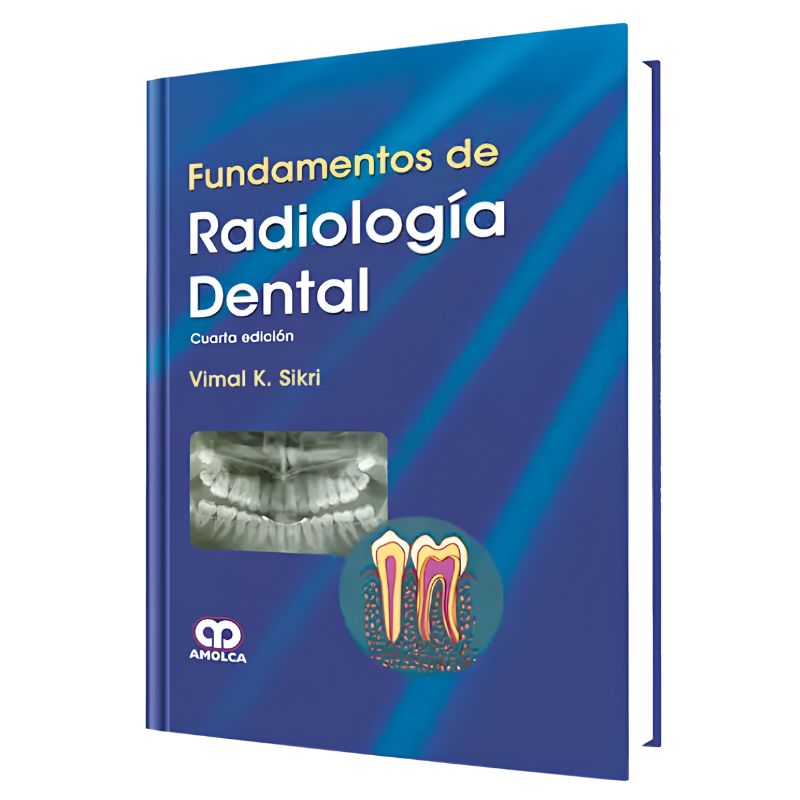

Author: Vimal K. Sikri
Human ingenuity has given the X-rays an important importance that they are today considered as an inseparable diagnostic tool from the dentist. From the moment in which Dr. Kells performed the first dental radiography, dentists and professionals in the area realized the brilliant future of radiology as a means of diagnosis in dentistry.
Shipping From: Spain
However, pioneering workers did not imagine the injury of this diagnostic tool on living tissues. They did not use protective barriers and, in their find use, they lost their lives. Dr. RAPAR perhaps was the first to describe the lesive effects of X-rays and different ways to protect patients as well as to operators. Dentists and auxiliary personnel infringe irreparable damage when performing irradiation without the relevant protective barriers; Some, even hold the radiographic film inside the patient's mouth. These professionals should be aware of the consequences that their actions report.
1.- Fundamentals of radiology.
2.- Formation of X-rays.
3.- X-ray formation.
4.- Radiobiology.
5.- Radiographic films.
6.- Radiographic techniques.
7.- Processing and development of the x-rays.
8.- Geometry of projection in radiographs.
9.- Extrabucal radiographs.
10.- Imaging of the maxillary breasts.
11.- Special extraoral techniques.
12.- Advances in radiological techniques.
13.- Advanced modalities of imaging.
14.- Control of infections in dental radiology.
15.- Interpretation of x-rays.
16.- Radiographic image of injuries and pathologies.

Data sheet
Specific References
Author: Vimal K. Sikri
Human ingenuity has given the X-rays an important importance that they are today considered as an inseparable diagnostic tool from the dentist. From the moment in which Dr. Kells performed the first dental radiography, dentists and professionals in the area realized the brilliant future of radiology as a means of diagnosis in dentistry.